Large land base
Cadiz has a broad land area with rural, agricultural, commercial, industrial, institutional, and reclaimed-area opportunities.
 Cadiz City
Bilis Cadiz, Ugyon Cadiznon
Cadiz City
Bilis Cadiz, Ugyon Cadiznon
Northern Negros Investment Gateway
Cadiz is not just another LGU location. It has a coastal port-city position on the Visayan Sea, a large agricultural base, a strong fishing and dried-fish economy, a proven solar-energy footprint, Lakawon tourism demand, and a festival economy that can move hundreds of thousands of people.
Why Cadiz
The investor story is strongest when it is concrete: resources, route position, operating base, known industries, visible public demand, and expansion-ready sectors.
Cadiz has a broad land area with rural, agricultural, commercial, industrial, institutional, and reclaimed-area opportunities.
The city has enough agricultural scale to support processing, storage, cold chain, inputs, farm services, and market aggregation.
The Cadiz solar plant established the city as a serious renewable-energy site, with further solar interest reported publicly.
PNA reported about 500,000 revelers during 2025 Dinagsa highlights, showing real event-driven visitor and business volume.
Priority Sectors
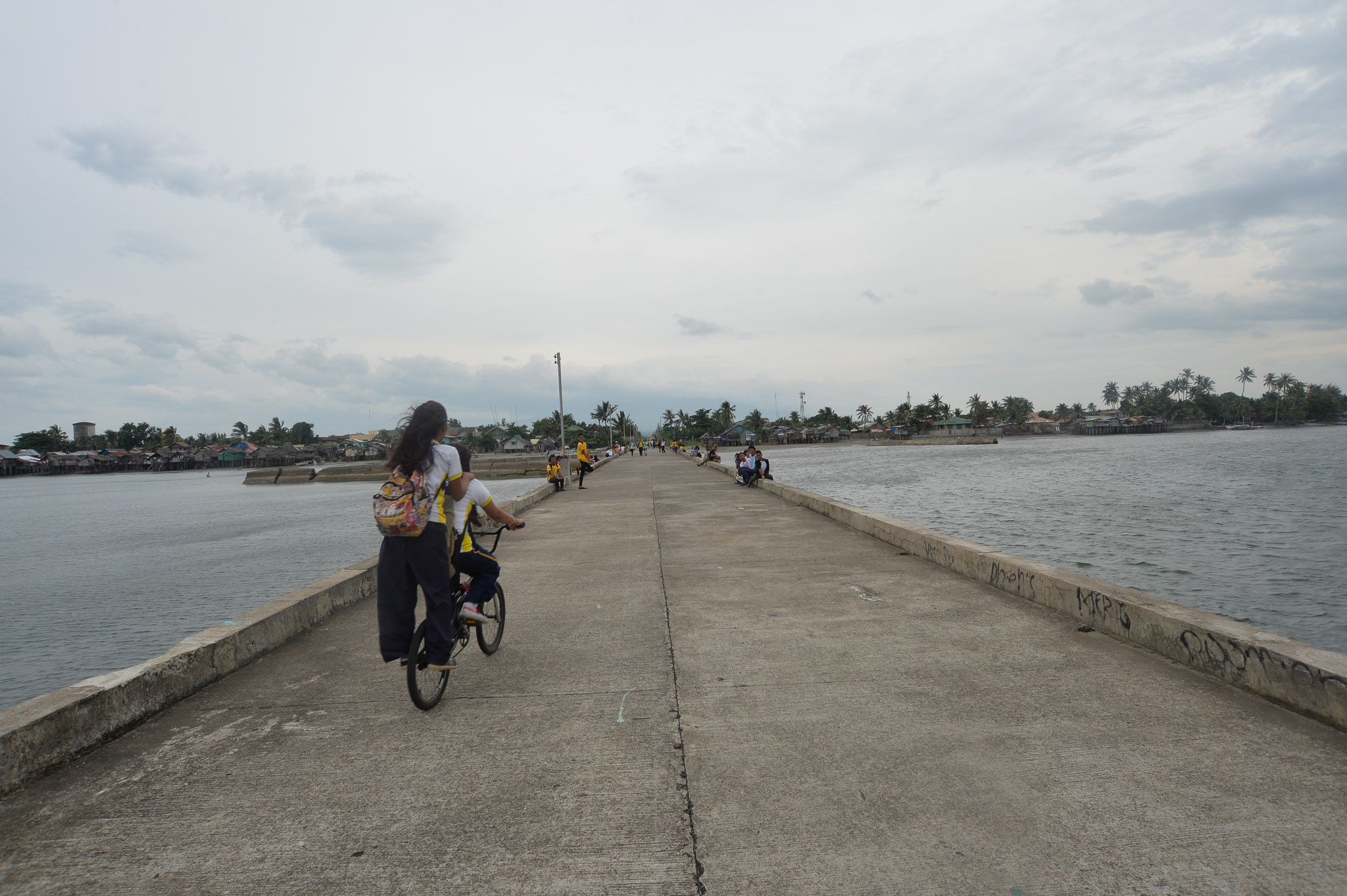
Cadiz is identified with rich marine resources, fishing, dried fish processing, boat building, and a position as a seafood center of Negros.
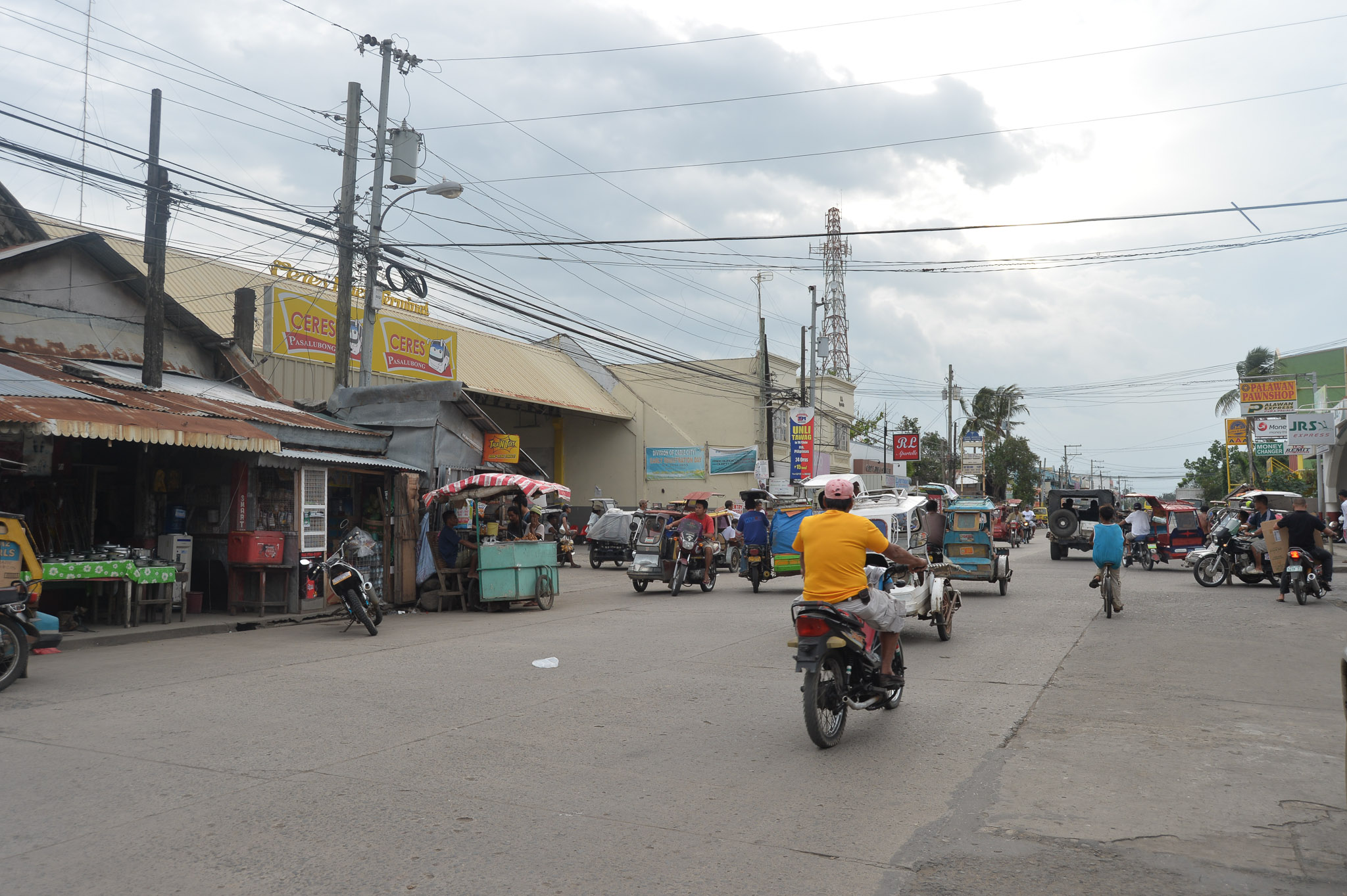
PNA reported Cadiz positioning as an agricultural hub serving Metro Manila through Cadiz and Batangas port connections.
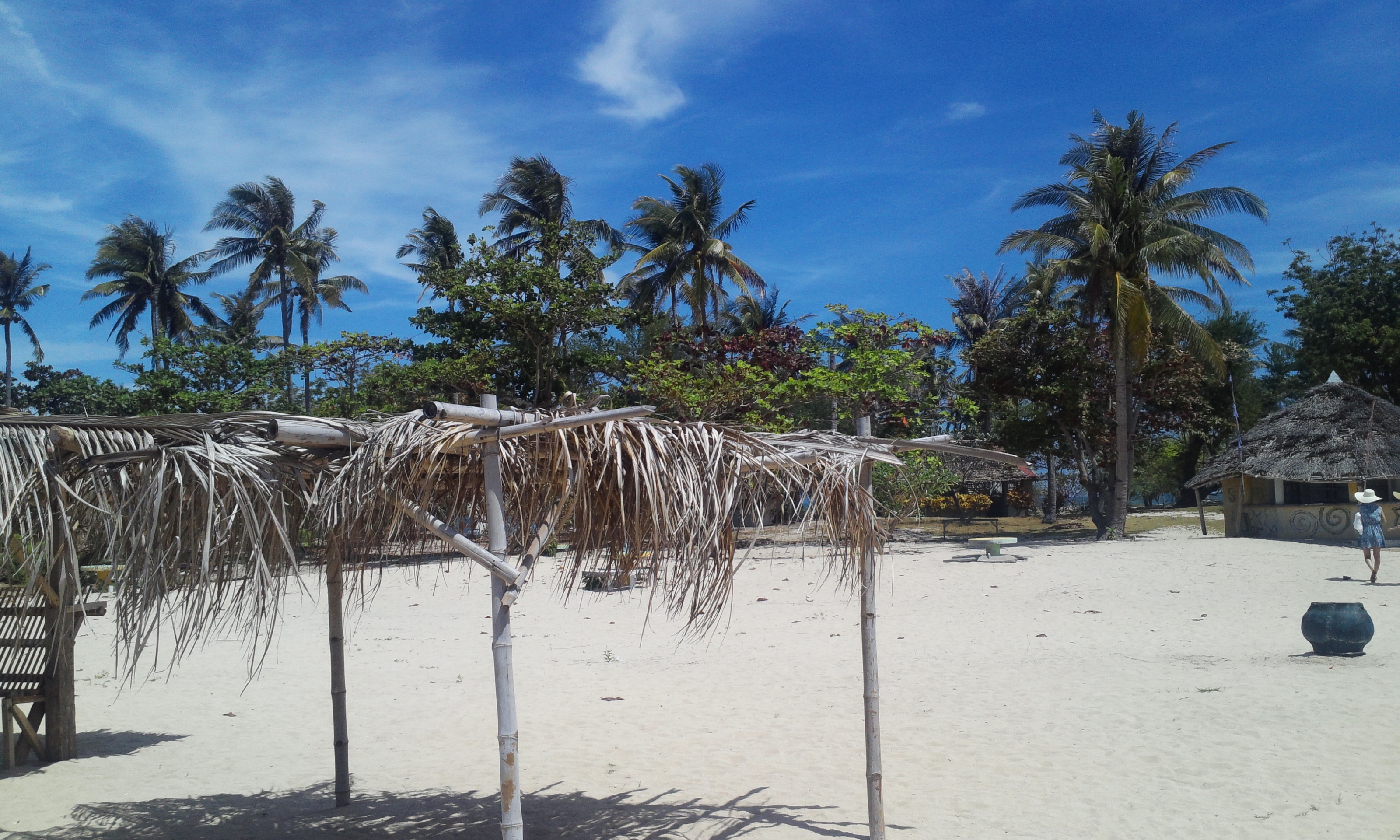
Cadiz can package island access, festival traffic, seafood, local products, city events, and northern Negros itineraries into year-round visitor spend.
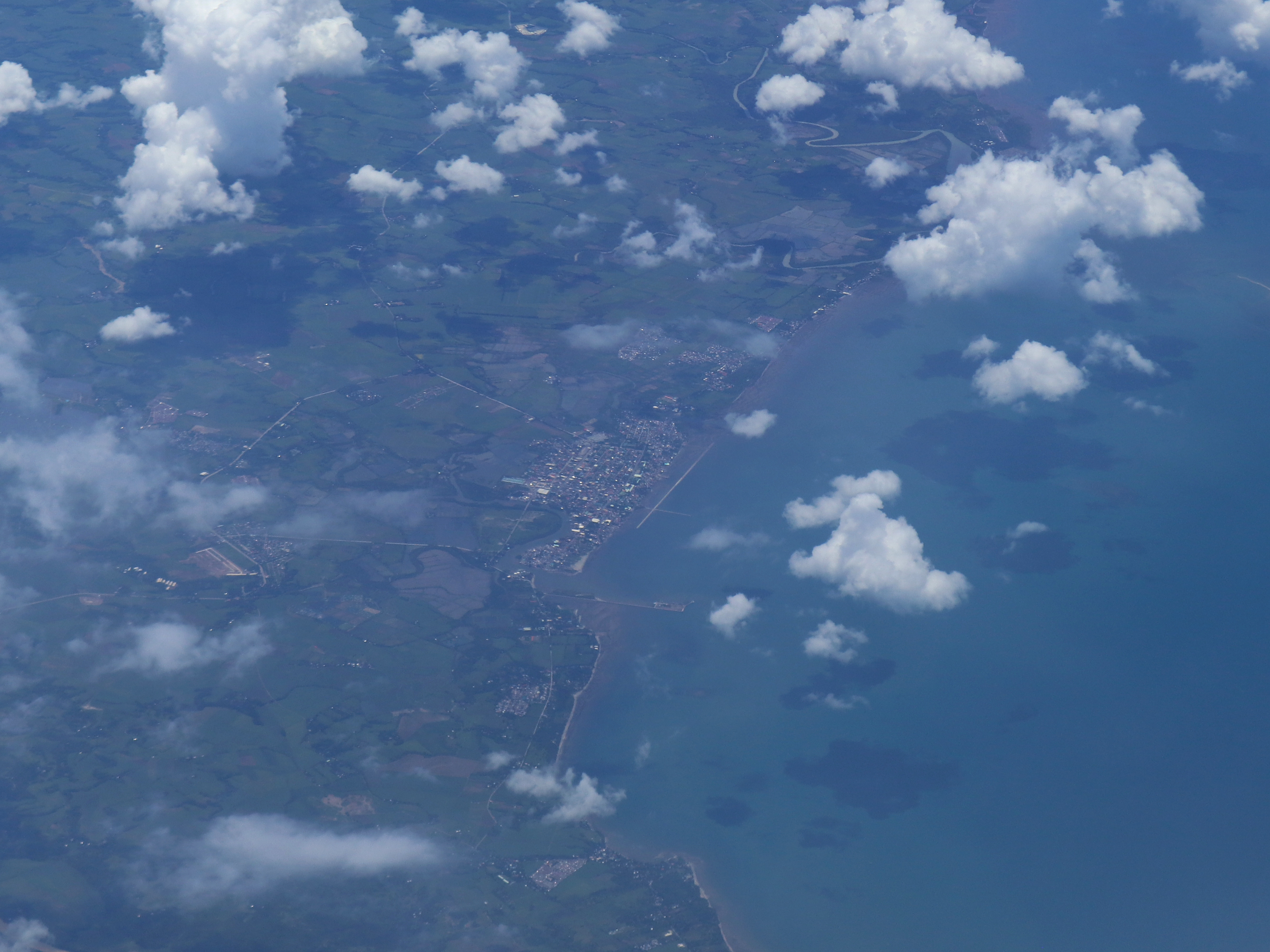
The existing Cadiz solar footprint and publicly reported solar interest create a stronger energy narrative than most peer cities can claim.
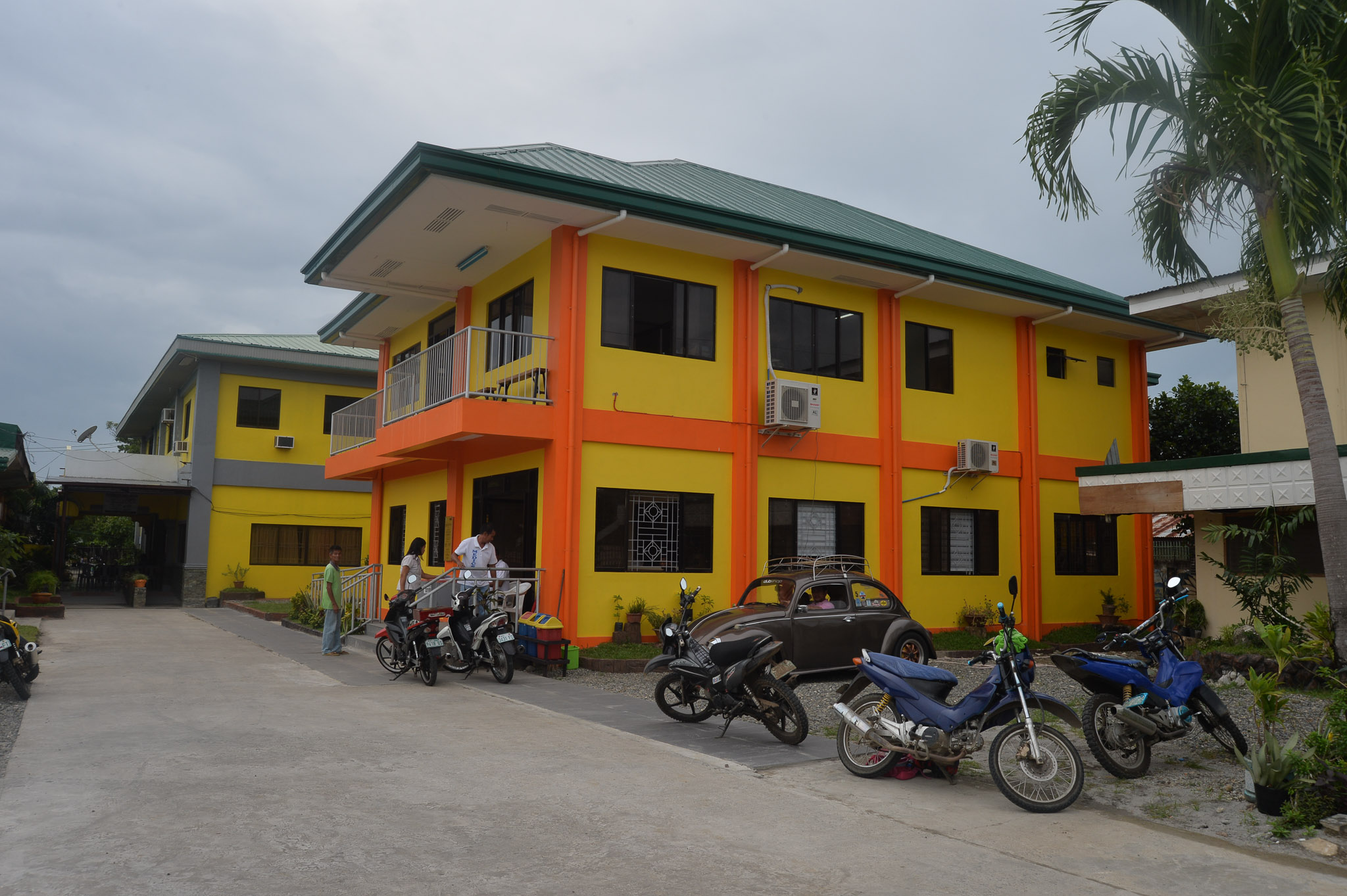
Cadiz already has commercial establishments and distribution activity, giving retail, warehousing, finance, and service investors an existing base to grow from.
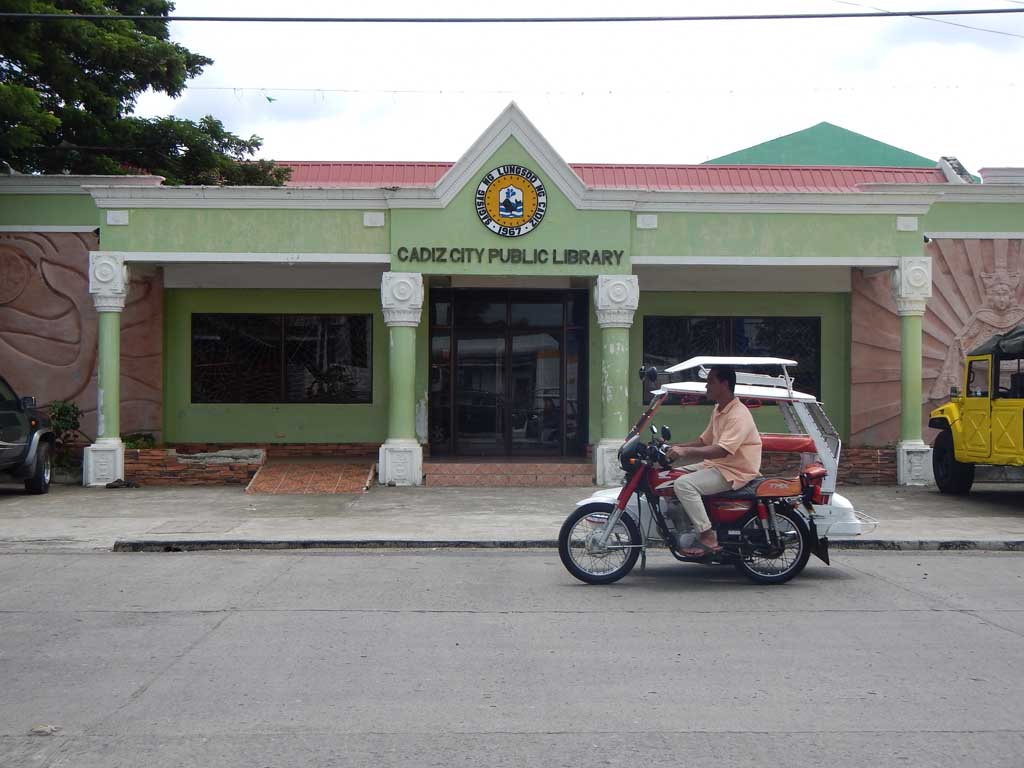
Cadiz can combine local workforce development, education assets, and city digitalization to attract service operations that do not need Bacolod-level costs.
Investor Advantage
Cadiz is investable because its opportunity is not abstract. It already has resources to process, people to serve, visitors to capture, ports and roads to leverage, land to plan around, and a government narrative oriented around faster service.
Agriculture, sugarcane, fisheries, dried fish, boat building, and seafood supply create practical demand for processing, equipment, logistics, and market access.
Northern Negros location, port interest, Bacolod access, and Visayan Sea frontage make Cadiz a different proposition from inland municipalities.
Dinagsa and Charter Day create predictable surges for hospitality, transport, food, retail, events, safety, sanitation, and digital payments.
The Cadiz solar plant gives investors a visible proof point that large technical infrastructure can be built and operated in the city.
Resources and Workforce
Investors need more than land. They need workers, suppliers, service providers, practical know-how, training pathways, and a local economy that understands the target industry. Cadiz can present all of these as part of its investor desk.
Cadiz profile references point to a sizable local education base. The investor page should turn that into a practical talent story: annual graduates, senior high tracks, TESDA and skills partners, employability programs, job fairs, and local placement data once confirmed by the city.
Public and private schools, senior high graduates, college-bound youth, and job-fair participants can support retail, hospitality, back-office, field operations, and entry-level technical roles.
Farm workers, fisherfolk, boat builders, seafood processors, dried-fish producers, traders, haulers, and market vendors already understand the city's production economy.
Construction, electrical, mechanical, equipment maintenance, cold-chain operations, transport, warehousing, food safety, and plant operations can be developed around existing industries.
Dinagsa, Lakawon, Charter Day, food fairs, sports events, and city ceremonies create recurring demand for hospitality, security, transport, cleaning, staging, food, retail, and media support.
City Hall, health, social services, schools, barangays, tourism, agriculture, and disaster-response offices create a coordination base for investors that need permits, local referrals, and community deployment.
With the right training partnerships, Cadiz can support back-office services, appointment centers, e-commerce support, government technology operations, tourism booking support, and logistics coordination.
Local Asset Map
Visayan Sea frontage, marine resources, fertile agricultural land, coastal tourism assets, mountain and eco-tourism proximity.
Sugarcane, seafood, dried fish, farm produce, boat building, local food products, and agri-fishery supplier networks.
Commercial port positioning, road links to Bacolod and northern Negros, solar power footprint, city facilities, and public markets.
Resident population, northern Negros catchment, festival visitors, Lakawon tourists, farm/fishery buyers, and Metro Manila conduit potential.
LGU desks, barangay network, provincial investment links, DTI/CMCI references, PESO, BPLO, planning, agriculture, tourism, and disaster offices.
City of Whales, Dinagsa Country of the North, seafood/dried-fish identity, Lakawon access, and renewable-energy proof point.
Investor Pathway
A live version should connect this intake to the City Mayor's Office, BPLO, Planning, Engineering, Tourism, Agriculture, and the provincial investment team.
Agribusiness, fisheries, logistics, energy, tourism, property, retail, or digital services.
Land, utilities, route access, port proximity, environmental requirements, and workforce assumptions.
BPLO, Planning, Engineering, Assessor, Tourism, Agriculture, Fisheries, and permitting desks.
Prepare a city briefing packet, site visit, incentives discussion, and requirements checklist.
Investor Source Notes